
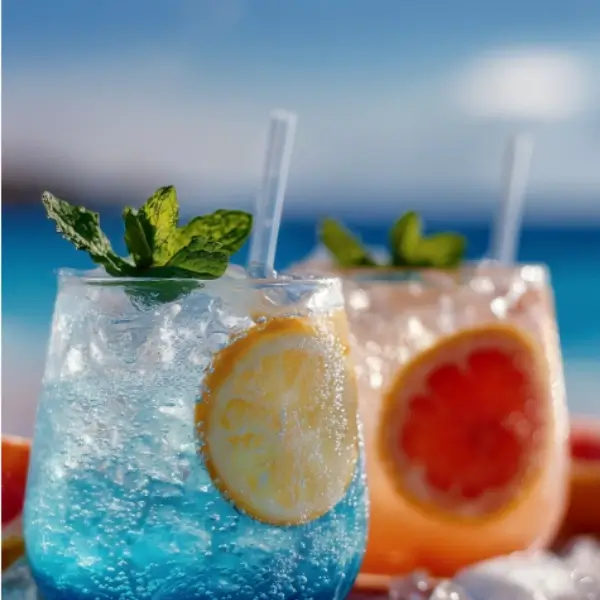
Concentrated orange juice as a raw material was used in beverage industry widely, which is then subjected to low-temperature vacuum evaporation to remove most water while retaining orange flavor, fruit aroma and pulp fibers. The product undergoes sterilization and aseptic filling. It is categorized into two grades: clarified concentrated orange juice (transparent, pulp-free) and cloudy concentrated orange juice (containing fine pulp particles, the dominant type in the market). Serving as the core orange-flavor base material in the beverage manufacturing industry, it acts as the primary raw ingredient for nearly all orange-flavored beverages.
I. Applicable Beverage Categories
1. Reconstituted Orange Juice Beverages
Including 100% pure orange juice, reconstituted NFC orange juice, and low/medium/high-concentration orange fruit beverages
a) High-concentration (juice content ≥40%): Premium pure orange juice, retail gift packs of reconstituted orange juice labelled as fresh-squeezed
b) Medium-concentration (10%–39%): Mass-market bottled orange juice, Tetra Pak carton orange juice (flagship products of Yili, Mengniu, Huiyuan and other major brands)
c) Low-concentration (juice content 5%–10%): Economy orange-flavored drinks, bulk barreled orange juice for canteen catering
2. Orange-Flavored Carbonated Soft Drinks & Sparkling Beverages
a) Bottled orange carbonated drinks: Fanta Orange, orange carbonated beverages from local regional brands, sparkling orange juice
b) Sparkling fruit juice: carbonated orange juice, orange-flavored sparkling water
3. Multi-Fruit Blended Compound Juices
a) Tropical blended juices: Orange mixed with mango, pineapple or passion fruit
b) Fruit-vegetable compound juices: Orange blended with carrot, apple or kiwi fruit
4. Dairy Beverages (Fruit Milk & Fermented Yogurt Drinks)
a) Orange-flavored lactic acid bacteria drinks: Orange-flavored Yakult, bottled fruit yogurt beverages
b) Ambient-stable orange dairy beverages: Orange-milk compound drinks
c) Ice cream mixes and orange-flavored yogurts: Concentrated orange juice base for flavor adjustment and natural color matching
5. Tea Drinks & Modern Craft Fruit Teas (Freshly Made + Bottled Ready-to-Drink Tea)
a) Bottled orange tea: Orange black tea, orange oolong tea, orange green tea
b) Commercial raw materials for chain milk tea shops: Concentrated orange base for orange fruit tea, orange lemon sparkling tea, citrus bubble tea
c) Canned cold-brew tea: Sugar-free orange-flavored tea drinks
Concentrated orange juice base delivers inherent citrus fruit aroma as a replacement for on-site fresh orange pressing, eliminating the need for large-volume fresh fruit inventory and drastically cutting raw material waste.
6. Functional Beverages & Sports Drinks
a) Orange electrolyte water, sports drinks (orange variants of Mizone, Alien Energy)
b) Base material for vitamin oral liquids and vitamin C tonics
7. Frozen Beverages & Pre-Mix Base Materials
a) Smoothie bases, slush mixes, frozen orange juice cubes
b) Non-alcoholic cocktail bases, commercial flavor syrups
c) Ice cream bars, popsicles, orange-flavored ice cream
8. Instant Powder Beverages
a) Orange fruit-flavored powder, instant orange juice powder, effervescent tablets
b) Orange powder produced via spray drying of concentrated orange juice base, applied as a natural flavor ingredient for instant powder products
II. Nutritional Value of Concentrated Orange Juice Base (Comparison with Fresh Oranges, NFC Juice & Blended Beverages)
1. Nutritional Profile
Undiluted, additive-free concentrated orange base retains all core nutrients derived from fresh oranges; the dehydration process solely removes water while preserving nearly all minerals, vitamins and polyphenols.
6-fold concentrated orange juice contains approximately 300–400 mg vitamin C per 100 g, offering antioxidant effects and immune enhancement. High-temperature short-time sterilization triggers minor vitamin C loss, yet industrial low-temperature concentration limits nutrient degradation to under 15%, far lower than loss caused by prolonged boiling.
It contains organic acids (citric acid and malic acid) to stimulate digestion and appetite, regulate beverage pH values, inhibit microbial growth and extend shelf life.
Cloudy pulp-containing concentrated orange juice base supplies orange pulp fibers to boost intestinal peristalsis, while clarified variants remove all pulp fiber during filtration.
Abundant minerals including potassium, calcium, magnesium and phosphorus support potassium supplementation. Bioactive phytochemicals such as flavonoids, hesperidin and carotenoids deliver natural orange-yellow pigments as a substitute for artificial synthetic colorants.
Natural sugars (fructose, glucose, sucrose) provide a brix level of 60–68 °Bx with no additional sweetener added, featuring a medium glycemic index.
2. Cost Efficiency in Storage & Logistics (Superior to Fresh Oranges)
• Significantly reduced storage footprint: Storage space required for 6 tons of raw orange juice accommodates only 1 ton of concentrated base, cutting cold storage rent and racking costs by 80%.
• Lower cold-chain transportation expenses: For equivalent juice production output, concentrated base weighs merely 1/6 of raw juice, substantially slashing fuel and refrigerated freight costs.
• Extended shelf life: Aseptic bulk concentrated orange base can be stored for 6–12 months under cool, shaded ambient conditions, compared with only 3–7 days for fresh oranges and 30 days for refrigerated NFC juice, minimizing raw material scrappage losses.
Concentrated orange juice base covers all beverage segments, including pure fruit juice, carbonated drinks, dairy beverages, modern fruit tea, functional drinks, frozen treats and instant powder products, serving as a universal orange-flavor base material.
Nutritional value varies by product grade: Reconstituted pure orange juice retains natural vitamin C, potassium and dietary fiber from oranges with complete nutritional benefits, while low-concentration blended beverages only provide flavor with limited nutritional value.
Its advantages of reduced storage & transportation costs, long shelf life and standardized flavor control make it ideal for large-scale industrial mass production. Only high-end concept-focused beverage products opt for NFC juice or fresh oranges instead of concentrated base.
Concentrated orange juice base constitutes the core raw material for 90% of commercially available orange-flavored beverages, standing as the optimal industrial raw material that balances flavor performance, nutritional attributes and production costs.